Dog influenza outbreak in Manhattan

Dogs aren’t usually susceptible to the same viruses that make us sick, and the other way around, but they do get illnesses that are pretty similar to human sickness. This weekend, dog owners in Manhattan were warned about an outbreak of canine influenza.

The virus is highly contagious and airborne, so if you’re walking your dog in the area and encounter coughing dogs it’s wise to stay away. Symptoms usually show up within a week of infection.

A mild infection will resemble a kennel cough. The dogs become lethargic, some stop eating, and for some the condition progresses into pneumonia. In severe cases, the dog can die from the infection. Symptoms beside the cough include a runny nose and fever.

If you’re in the area, keep an extra eye on your doggie. There is a canine influenza vaccine available, and vets recommend this for dogs who will spend time close to other dogs.

Happy Labor Day, for everyone!

As summer draws to an end, an extra day off might be a great opportunity to do something fun with your dog. Here are some ideas that require little preparation, so you can get right to the fun part!

If you live near the ocean, a lake, or a river, there might be a doggie beach nearby.  A beach offers many opportunities to smell new things and make new friends. Some dogs are a bit intimidated by large bodies of water, but they usually get over it quickly. If your dog likes to swim, it will be a marvelous time. If your dog doesn’t like to swim he or she can still have a great time frolicking on the beach.

If you have a house with a fenced-in back yard, consider throwing a party for dogs. This is a great way to get to know other dog lovers, and the pooches can play. If your neighbors have dogs they might want to come over, invite the people you bump into over and over when you walk your dog, and your friends and family who love dogs.

Another fun idea is to drive to an area where you don’t normally walk your dog and go for a hike. Smelling, seeing, and hearing new things will make it a true holiday for your four-legged friend.

jimibeach


Bulldogs can’t swim

Summer is turning to fall, but large parts of the USA are still blazing hot, and it’s still season for beaches, boats, and pools. Whenever water is involved it’s important to know that not all dogs can swim.

Dogs will automatically paddle when they are in water, but some breeds are so front heavy that it doesn’t do them any good. Bulldogs, for instance, cannot swim. A Bulldog in water will sink, no matter how much they try to stay afloat.

Bulldogs are the worst breed when it comes to water, but all breeds with large, heavy chests and short muzzles have problems swimming. It’s also worth noting that even amongst breeds who generally love to swim some individuals will have an aversion to water.

If you are by the beach or on a boat, it’s a great idea to get a life vest for your furry companion. If you have a Bulldog and a pool or pond, make sure the water is fenced off. There are also emergency monitors that will alert if something breaks the surface of the water. If you Bulldog falls in he won’t be able to stay afloat, and he won’t be able to get out of the water.

Problems with cats and water?

Cats sometimes do things that seem peculiar. Like, drink out of glasses or the tap instead of the water bowl, or splash their water around before drinking. 

These behaviors are much easier to understand when considering that cats are wild survivalists. A cat in the wild will seek out moving water, because that is safer and fresher than standing water, and they’ll look for water as far away from their prey as possible, to make sure it’s not contaminated.

If your cat drinks from everything but the water dish, he or she might be worried about the water being poisoned by the food. This is a strong instinct and it won’t go away just because we think it’s a great place for the bowls – try moving the water away from the food bowl. Putting the water in the opposite corner of where kitty eats usually solves the problem.

Cats who prefer to drink from the tap or even the toilet might want moving water instead of the kind that’s been sitting still in the bowl all day. Some cats splash their water with a paw before drinking in an attempt to solve the problem. If your cat shows these behaviors, consider buying a recirculating water fountain for cats. This might not fit all households, and in that case, try changing the cat’s water more often.

Make doggie ice cream

Don't leave your pets outside on hot daysAugust is one of the hottest months of the year, and few things are better on a warm day than some cool ice cream. Many dogs love ice cream just as we do, but it’s too sweet and crammed with lactose to be good for them on a daily basis.

Luckily, you can make frozen treats for your dogs both quickly and easily. Scoop the batter into ice cube trays for conveniently sized pieces. Once they’re frozen you can move them to a freezer bag for storage.

Banana – peanut butter ice cream

To make banana peanut butter ice cream for your dog, you need:

1 banana
32 ounces of plain or greek yogurt
2 teaspoons of peanut butter
2 pea spoons of honey

Mix ingredients in a blender, scoop up, and freeze.

Peanut butter – yogurt ice cream

Only two ingredients, and super-easy to make. Some peanut butters include lots of added sugar, try to find one with as few additives as possible.

1 cup peanut butter
16 ounces of plain or greek yogurt

Microwave the peanut butter for about 1.5 minutes to get it soft. Mix with the yogurt until it’s completely blended, scoop up, and freeze.


If you decide to get a puppy

Sleeping puppyIf you decide to get a puppy, it’s important to know that puppies require a lot of time, attention, and training. As humans we tend to get excited over physical objects, and it’s fun to buy all the stuff a puppy needs, such as dog bed, bowls, toys, collar, leash, and food. These things are important for the puppy, but your time, consistency, and training are even more important.

When your new puppy arrives, it has just been removed from its mom and litter mates, and this is a big and scary world. He or she is vulnerable and needs security and routine.

Here are some good ideas to make the transition easier.

Schedule an appointment with your vet.

Your new best friend needs vaccinations. It can be dangerous for puppies to meet other dogs before they’re fully vaccinated, and many vets even advice against puppies touching the floor in the vet clinic or going outside before they have all their shots.

Play quietly and gently.

It’s tempting to flood the new puppy with attention and activity, but puppies need a lot of sleep. If he or she looks like it’s nap time, it’s nap time.

Decide who is responsible for what.

Routine is important to puppies. Who is responsible for getting puppy food and remembering when the puppy needs to eat? Housebreaking  a puppy is a lot of work; they need to go out after sleeping, after playing, and after eating, and this needs to happen at once. If you wait ten minutes to finish a phone call or watch the show your puppy is likely to have an accident.

Explain the rules from the start.

Encourage playing with the dog toys. Let the puppy know how good it is when playing with them. If he or she starts chewing on the furniture or other off-limits object, say “Off” and show one of the dog toys. Encourage taking the toy, and give lots of praise when the puppy plays with the right thing.

Never hit a puppy, give harsh reprimands, or scold the puppy for something that happened in the past. Positive and consistent training is the way to go.

Puppies don’t come pre-trained.

Some new puppy parents shout, “Come here, right now” and are upset when the puppy doesn’t get it. He or she has no idea what “come here” means. Enrolling in puppy class is a great idea. Here your furry friend will get socialization and learn how to behave around other dogs, and you will learn how to train your dog.

Puppies aren’t human.

It’s easy to assume they’ll understand our way of thinking, know what’s dangerous, or what’s good or bad. It doesn’t work like that. If you run into problems, ask for help.

Research dog breeds before choosing your furry friend

Many people believe that dog breeds mostly have an impact on the outside of the dog, but picking a dog just depending on looks can be a mistake. Different breeds are created through selection of certain properties, and it is important to pick a breed that fits with the family’s lifestyle.

The breed’s size and grooming needs play a role, of course, but the breed’s temper can be even more important.

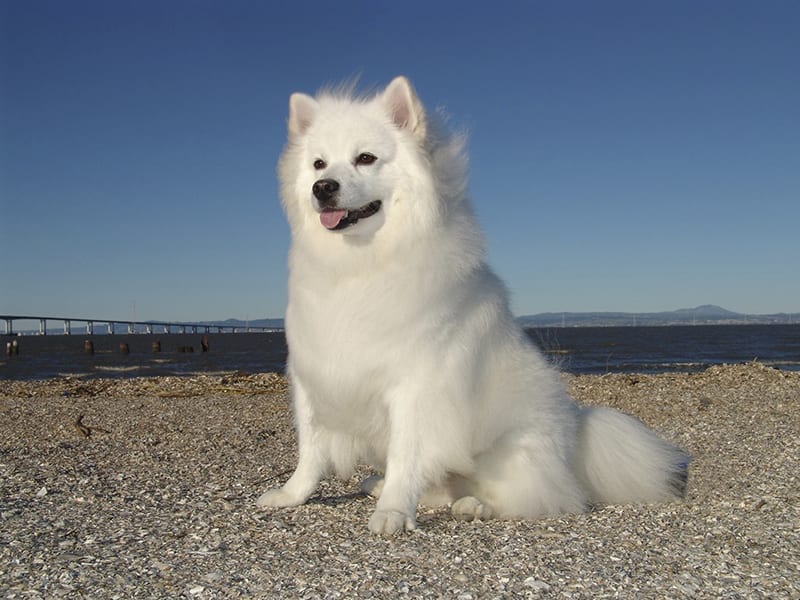
The American Eskimo is a great example. This cute bundle of fur looks pretty much like a Samoyed or Japanese Spitz, but is bred to be a guard dog. The average Eskie has a completely different personality than the average Samoyed, even though they look a lot alike.

American Eskimo
American Eskimo

Naturally, personalities between individuals vary as well. If you have children, make sure you find a dog that loves them. If the dog just tolerates them you might run into trouble if the kids get rambunctious or do something to the dog it doesn’t like. Dogs and children can be the best combination ever, or the worst.

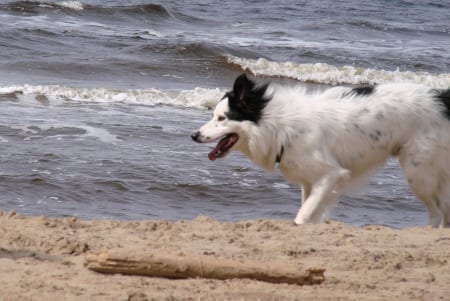
This problem is often emphasized when a breed becomes popular in media. The Border Collie is a great example – this breed is extremely smart and often used in TV shows, movies, and commercials. The dogs are cute and do tricks on TV, and they are fantastic companions for the right family. Unfortunately, many people get a Border Collie unprepared for dealing with an explosion of energy that wants to herd everything that moves and is smart enough to open doors and cupboards just to see what’s on the other side. A Border Collie needs a job to do. It doesn’t have to be herding, but if these dogs don’t get a task they’re likely to invent one.

Border Collie
Border Collies often herd everything that moves – including children and cars.

Dalmatians are another great example. They’re beautiful, and countless families have fallen for their children’s pleas after watching Pongo on TV, unaware that the average Dalmatian has an abundance of energy and needs something to do.

If you want a certain breed but doesn’t think the personality is right for your family, consider a mixed breed. They’re often much more laid back than their purebred relatives.

Also consider if you want to get a puppy or an adult dog. Puppies are adorable. They’re cute, small, are ready to spend their life with you. They also need a lot of attention, time, and training. Many are surrendered once they get out of the puppy stage and into adolescence, because they require more time and training than the family is prepared for, or able to give.

The breeds mentioned here are just examples. In order to research dog breeds, you can find some information on our site. Also take a look on the AKC website – they have a lot of breed information including average life span, known health issues, and grooming requirements.

Today is Dog Day!

Swedish VallhundToday is Dog Day, a perfect occasion to celebrate the bond between human and canine. Dogs bring love and many benefit into the lives of humans, and this is a great day to show the dogs in your life some extra love. Also, please consider pitching in to help the numerous homeless dogs around the country and around the world.

Helping shelter animals doesn’t have to be expensive. Many rescues and shelters ask for blankets, towels, dog and cat food, treats, and toys. Many also encourage the public to come over and donate a few minutes to play with a lonely dog.

Large numbers of shelter pets are scared and starved for human attention, and even if you can’t take the pet home, helping with some socialization can make a world of difference.

Another great way to help shelter animals is sharing their posts on social media. It’s completely free, and clicking the “share” button only takes a couple of seconds. Wouldn’t it be great if you shared an animal, one of your friends saw it, and this simple process could save a life?

Dog breeds perfect for apartment life

With recent dips in the economy, more Americans than ever live in multi-family units. While it’s possible to make almost any dog happy in an apartment, choosing a breed well-adapted to the lifestyle when getting a new family member can make things easier. Here are some examples of breeds particularly well suited to apartment life. 

Scottish Terrier

This is a family friendly breed that quickly grows devoted to the family. The dogs often come across as serious and can be aloof when meeting strangers, but they’re very loyal and loving towards “their” humans. Daily walks and fun toys generally satisfy their need for activity.

Bulldog

The average Bulldog loves a good nap on the couch. These dogs are good-natured and loving, and not interested in excessive exercise. They love to snuggle, watch TV, and keep an eye on what might be happening in the kitchen. Be aware that Bulldogs are sensitive to heat, and that they can’t swim.

Lhasa Apso

These dogs have a convenient apartment-friendly size, are affectionate towards the family, suspicious towards strangers, and independent enough to not be needy. A Lhasa Apso tends to adapt their level of activity to that of the family. A daily walk and some play time keeps the dogs happy. Downside? The elegant coat requires a lot of grooming.

Pug

The Pug is a charming, playful, and affectionate bundle of love. These dogs can adapt to most environments and lifestyles – as long a they get to be a part of the family. As long as your Pug gets to be with you, he or she will likely be happy to chill in the sofa, go for a walk, visit family, or dress up in a costume.

Greyhound

The Greyhound is often called the 45-mph couch potato, and that describes them very well. An average Greyhound likes to mosey around the block with you, or run all he can for five minutes. When that’s done, they like to snuggle up somewhere soft and comfortable. As a bonus, they rarely bark and are easy to groom.

Today is “Take your Cat to the Vet day”

Cats have personalities just like peopleThis sounds like a bizarre holiday, but there is a reason for it. Most humans visit the doctor and dentist annually. Dog owners are generally pretty good with taking their pooches to the vet at least once a year for a check-up. Cats, on the other hand, are often forgotten.
Whether it is because they’re so independent, seem so healthy, or put up a fight when it’s time to get in the carrier, many cats only get to see the vet when there’s something evidently wrong with them. This results in needless suffering and high veterinary bills that might have been avoided if kitty had gotten routine checks.

Cats are excellent at hiding when something is wrong with them, and by the time an owner realizes their kitty is sick, the problem has usually escalated.

Most dogs get annual tests for worms, regular inoculations, and blood screening. Cats need this too, so any problems can be caught early. Take your cat to the vet for a check-up and find any medical problems before they require extensive and expensive treatment.

Five vocal dog breeds

While there are many dog breeds known for being quiet, such as the Newfoundland, Great Dane, Italian Greyhound, and the Whippet, others have a lot to say. Here are five talkative dog breeds. 

Beagle

The average Beagle loves to sing along with sirens and bark at real or imagined strangers. Fans of the Beagle singing voice say it’s quite musical, but if your neighbors don’t appreciate being serenaded around the clock you’ll want to make sure your Beagle is active and occupied.

Pomeranian

These little cuties are the smallest of the Spitz breeds, but they don’t know they’re small. Pomeranians are active dogs that require attention, exercise, and something to do. They’re too small to bark loudly, but the average Pomeranian barks a lot.

Chihuahua

These small, sassy dogs can be quite protective. Many neglect to train them because they’re so small – what harm could they possibly do – but all dog breeds require training and socialization. Lack of training often leads to never-ending barking and bad behavior. Spend some time training and playing with your Chihuahua from a tender age and you’ll get a great dog.

Basset Hound

The average Basset Hound is good natured and friendly. Most Basset Hounds aren’t as active as other hounds, but they’re still quite good at howling. It’s usually not a problem if the dogs are allowed to be with the family, but a Basset Hound abandoned in the back yard is likely to share his feelings with the rest of the neighborhood.

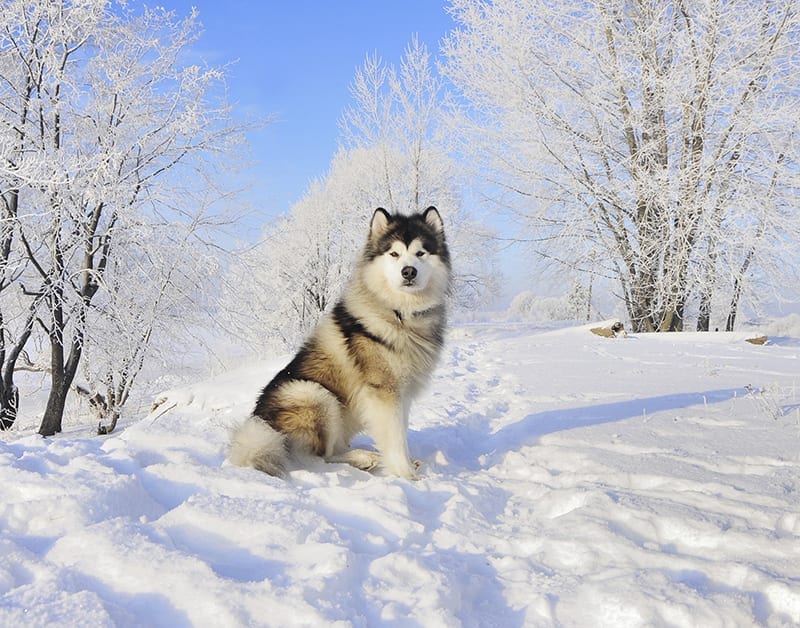
Alaskan Malamute

These dogs are cheerful, friendly, large, and strong. If you’re considering adding a Malamute to the family, be aware that these dogs are bred for hauling heavy loads long distances in the most inhospitable climate imaginable. In other words, the average Malamute needs something to do. They’re experts at climbing and digging.

Few Alaskan Malamutes bark excessively, but they often howl along with sirens and like to talk to you with a “woo-woo,” sometimes imitating the intonation of human words.


Alaskan Malamute

The beautiful Alaskan Malamute has been known to sing along with sirens

Prepare for emergencies

Summer is a wonderful time, but can hold some extreme dangers such as hurricanes. Every year, families lose their pets in weather-related emergencies, and while some are reunited, other families search in vain for years. Here are some tips on preparing for emergencies, to make sure everyone is unscathed. 

Prepare in advance

Make sure all pets are microchipped, and that the information connected to the microchip is correct. Your vet can help you read the chip number, so you can double-check. Put a tag with your contact information on each pet’s collar.

If you don’t already have decals on your windows informing rescue workers that there are pets in the household, this is a good time to put some up.

Check your emergency kit

If you already have a pet emergency kit, look it over to make sure everything is up to date. If you don’t have one, make one, and keep it with your family’s emergency kit. Pack things in plastic zip-lock bags. Good ideas for your kit include:

  • At least two weeks’ supply of any pet medications.
  • Extra collar with ID-tag for each pet, and sturdy leashes.
  • Photocopies of pet health records, and a recent photo of you and your pets. In case the worst happens and you’re separated the photo will help you search, and help you prove that you’re the rightful owner.
  • Two week supply of water and food along with bowls.
  • First aid supplies. Many vets have good lists of things you might need. You should at least have bandages, tweezers, tape, scissors, and antibacterial ointment.
  • Crate with bedding and a toy your pet will recognize. This  can help your pet cope with stress and new environments.
  • Poop bags and similar supplies.

Have a plan

When something happens it usually happens quickly, and it can be difficult to make the right decisions in a stressful situation. The more you prepare in advance, the better your chances of everyone staying together and being okay.

Know where to go if you need to evacuate. If you need to leave your home, do everything in your power to bring your pets along. If it isn’t safe for you to stay, it isn’t safe for them, and animals left behind are often lost, injured, or killed.

Check emergency shelters in your area. Many don’t allow pets, and you need to find one where everyone is welcome. Make a list of relatives and friends that can shelter you and your pets in case you have to leave the area completely. Also make a list of pet boarding facilities, and keep all these numbers and addresses in your pet emergency kit.

If you stay at home during the emergency, keep your pets with you in a safe room. Put them in their carrier or on a leash ahead of time – if there’s a tornado you don’t have time to dig the cat out from under the sofa. On a leash or in a carrier you can bring your pets quickly, and you have them under control.

It can be difficult to stay calm, but do your best to keep your composure. If you’re anxious, pets and children will feel it and be anxious too.

Sunshine story: Joanie and Chachi

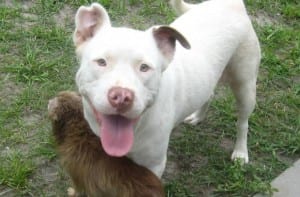
Joanie and Chachi
Image from the Huffington Post

A couple of weeks ago, animal control officers in Savannah, Georgia picked up an unusual pair. Joanie the pit bull carried Chachi the Chihuahua in her mouth. Joanie would put her friend down from time to time to lick the Chihuahua’s infected eye.

Animals can be be devoted, and Joanie carried her injured friend to safety. The dogs are so close the shelter staff call them soul mates.

Despite Joanie’s best efforts, veterinarians had to remove Chachi’s eye and the two had to live separated while he healed, but shelter staff made sure to give them together-time every day.  Neither of them care about other dogs; only each other.

Savannah police hoped the owners would come forward as the dogs got publicity. No one claimed them and the shelter put out pleas for an adopter, hoping the dogs could find a new home together.

The dream is coming true: the couple move to Florida some time this month. We love a story with a happy ending!

Is your cat trying to tell you something?

Singapura is the world's smallest cat breed.Cats might not be able to talk like humans do, but they do communicate. Unfortunately, we often misunderstand the attempts of communication and think the cat is “bad” or just weird.

Here are some instances when kitty might be trying to tell you something.

From time to time, cats chow down on strange things, but if your cat eats cardboard, plastic, paper, or something similar and looks at you when he/she starts eating, it’s probably a call for attention.

When kitty deliberately knocks things on the floor it’s not to mess with you or a sign of disliking your decorations. This too means that the cat wants attention – which could mean food.

A cat presenting its butt to you might not seem like a good thing, but in cat language this is a huge compliment. It means that you’re a trusted friend.

Sunshine story: Lost dog becomes life saver

Stacey Savige found a lost terrier roaming around the local elementary school, picked it up, and took it home. Her neighbor Yolanda agreed to watch over it for a while. The two did everything to reunite the dog with its owner. They printed up 4,000 fliers that they stuffed in mailboxes, and they put in a Craigslist ad.

Yolanda’s sons – Azaiah and Christian – loved the dog at once, but she told them it belonged to someone else and would have to go home in not too long.

Four days later, RaeLee was still in Yolanda’s home, and when she came home from work the little dog flung himself at the screen door and barked like crazy. When she opened the door, he led the way to Christian’s room where the boy was in the middle of a violent seizure.

Without the dog she would most likely have headed in the other direction. The neurologist said her son would have choked on his own blood and died, but thanks to RaeLee help arrived in time.

The next day, the dog’s original owner called and came by to pick up his dog, but he was so moved by the story and the boys’ attachment to the dog that he let the family keep him.